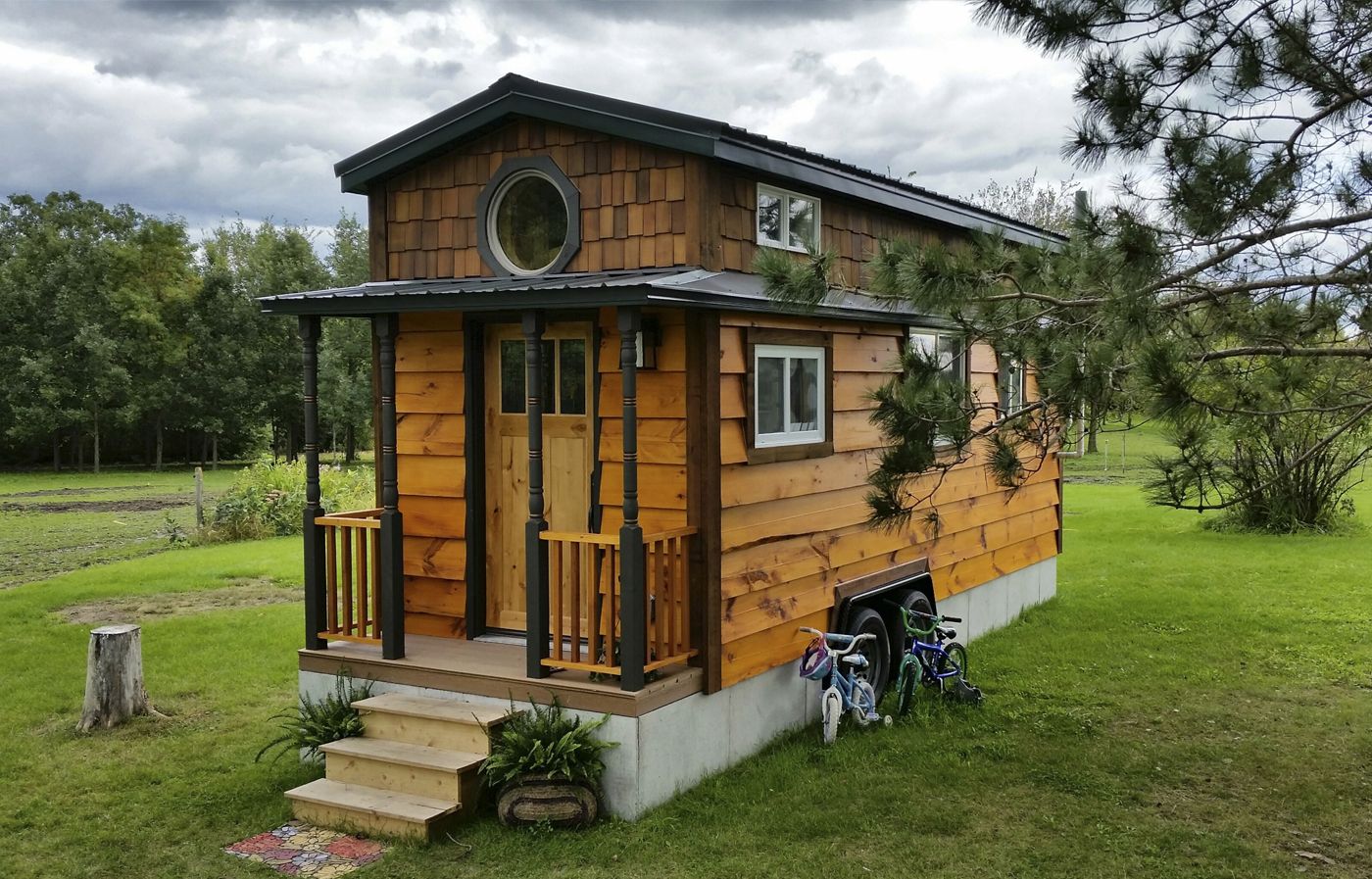
1. Tiny Houses
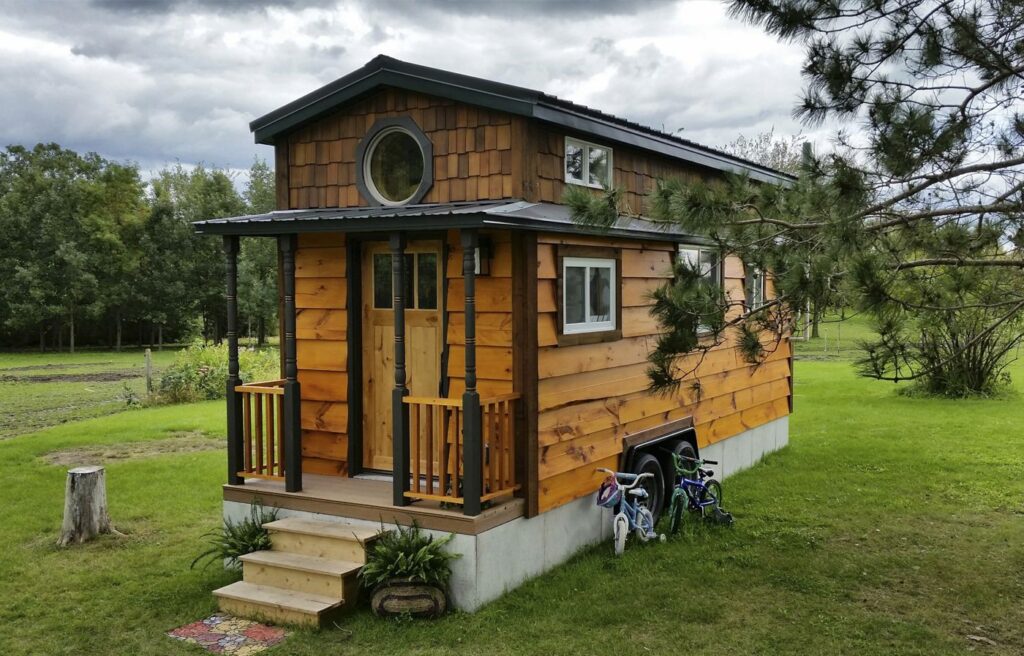
Advantages:
✅ Cost: Lower upfront cost ($30,000–$100,000) than traditional homes 4.
✅ Installation: Mobile (on trailers) and can avoid strict zoning laws in some areas.
✅ Comfort: Cozy, minimalist design with efficient space use.
Disadvantages:
❌ Cost: Land/towing expenses add up; financing can be tricky.
❌ Installation: Limited space makes plumbing/electrical setups challenging.
❌ Comfort: Cramped for families; temperature control varies by insulation quality.
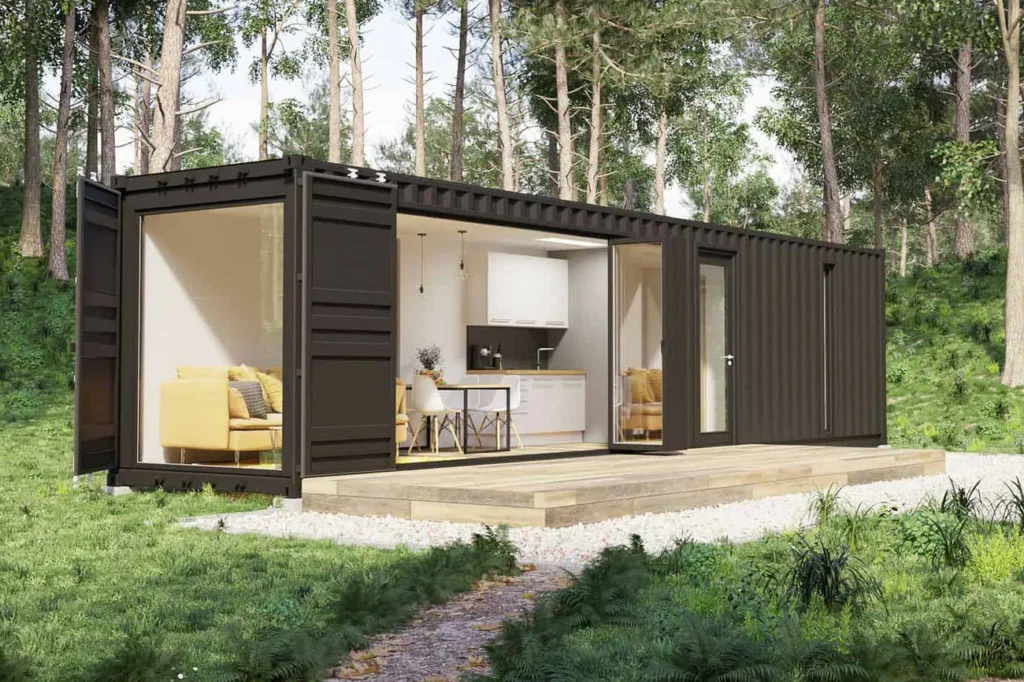
2. Shipping Container Homes
Advantages:
✅ Cost: $10,000–$185,000 (cheaper than traditional builds) 15.
✅ Installation: Modular; prefab options can be assembled in weeks 8.
✅ Comfort: Durable (hurricane-resistant) and customizable layouts.
Disadvantages:
❌ Cost: Insulation/climate control can spike expenses 5.
❌ Installation: Zoning laws may restrict placement 2.
❌ Comfort: Steel conducts heat/cold; requires heavy insulation 9.
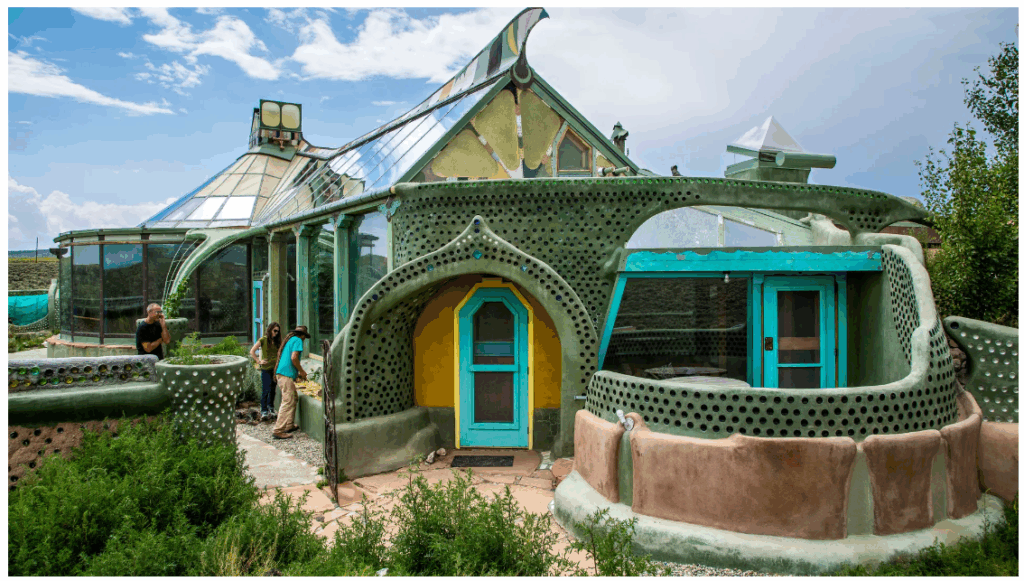
3. Earthships
Advantages:
✅ Cost: Long-term savings (off-grid utilities).
✅ Installation: DIY-friendly with natural/recycled materials.
✅ Comfort: Passive solar heating/cooling for stable temps.
Disadvantages:
❌ Cost: High upfront labor/materials for proper sealing.
❌ Installation: Complex systems (water/energy) require expertise.
❌ Comfort: Humidity control can be tricky in wet climates.
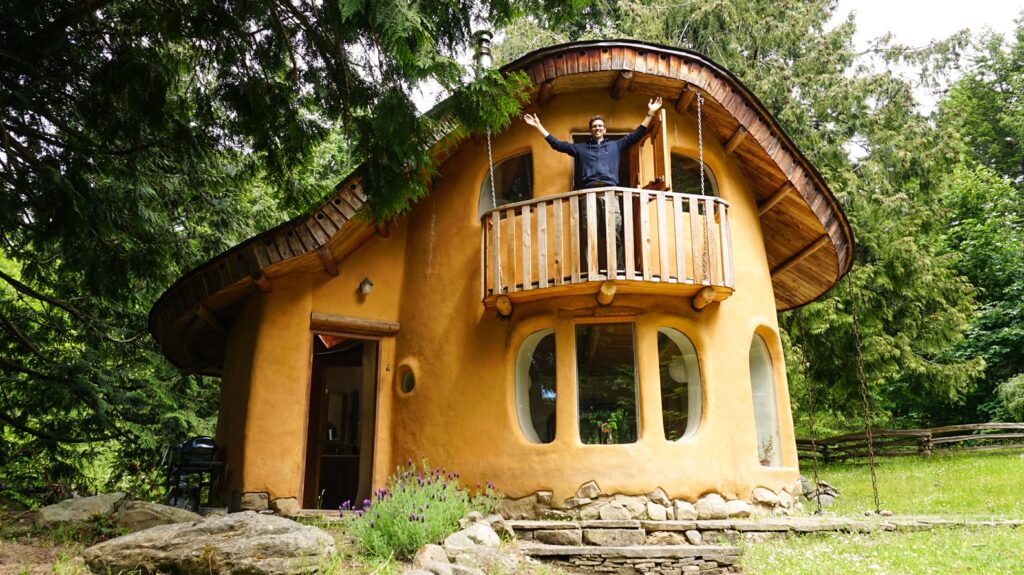
4. Cob Houses
Advantages:
✅ Cost: Very low ($5,000–$30,000) using local materials.
✅ Installation: Hand-built; no heavy machinery needed.
✅ Comfort: Natural insulation (stays warm in winter, cool in summer).
Disadvantages:
❌ Cost: Labor-intensive; slow to build.
❌ Installation: Not permitted everywhere; vulnerable to heavy rain.
❌ Comfort: Limited modern amenities unless retrofitted.
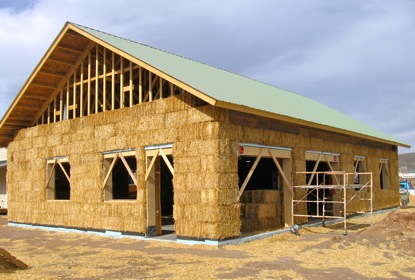
5. Straw Bale Homes
Advantages:
✅ Cost: Affordable ($20–$50/sq ft for materials).
✅ Installation: Easy stacking; fast wall assembly.
✅ Comfort: Superb insulation (R-30 to R-50) 5.
Disadvantages:
❌ Cost: Requires plaster/finishing for weatherproofing.
❌ Installation: Moisture damage risk if improperly sealed.
❌ Comfort: Thick walls reduce interior space.
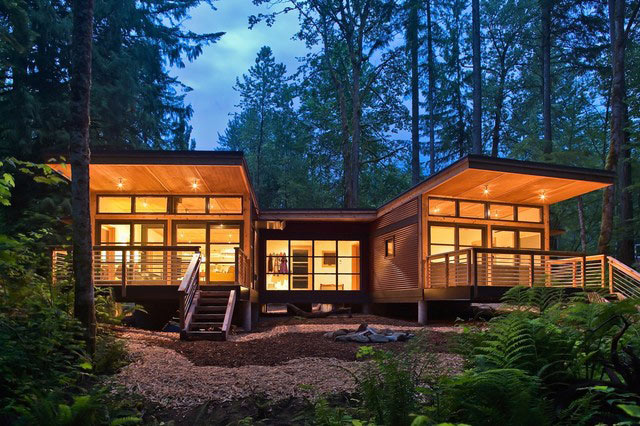
6. Prefab Homes
Advantages:
✅ Cost: $100–$400/sq ft (faster = lower labor costs) 7.
✅ Installation: Factory-built; assembled on-site in days.
✅ Comfort: Modern designs with HVAC options.
Disadvantages:
❌ Cost: Custom designs get pricey.
❌ Installation: Limited DIY flexibility; needs crane/truck delivery.
❌ Comfort: Thin walls may lack soundproofing.
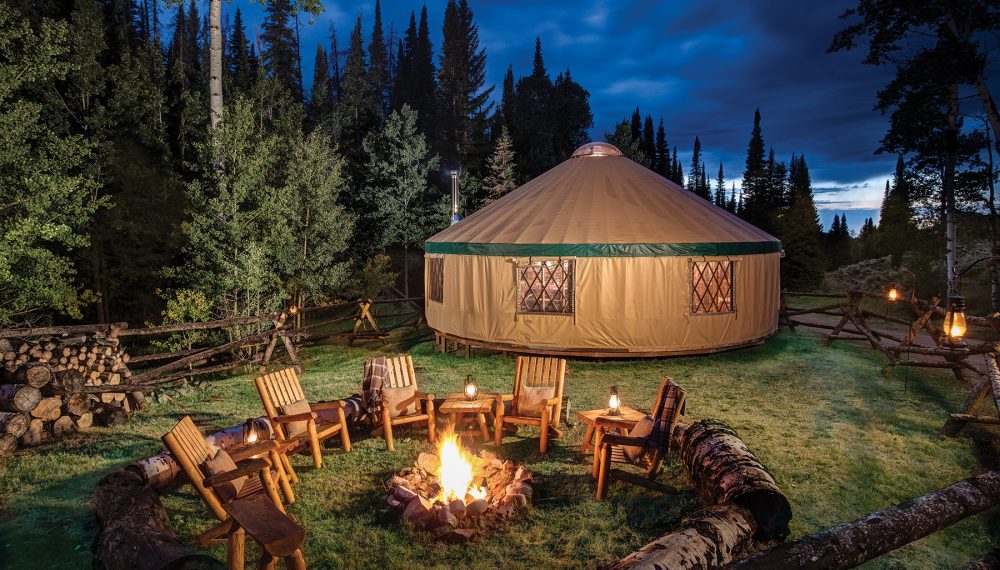
7. Yurts
Advantages:
✅ Cost: $5,000–$30,000 (portable and low-impact).
✅ Installation: Quick setup (1–2 days).
✅ Comfort: Airy, open feel; good ventilation.
Disadvantages:
❌ Cost: Not ideal for extreme climates without upgrades.
❌ Installation: May need permits for permanent use.
❌ Comfort: Limited privacy; noisy in heavy wind/rain.
8. Underground Homes

Advantages:
✅ Cost: Energy savings (stable temps cut HVAC bills).
✅ Installation: Blends with landscape; low visual impact.
✅ Comfort: Quiet, insulated from weather extremes.
Disadvantages:
❌ Cost: Excavation/waterproofing is expensive.
❌ Installation: Complex engineering for drainage/lighting.
❌ Comfort: Can feel claustrophobic; limited natural light.
9. Houseboats
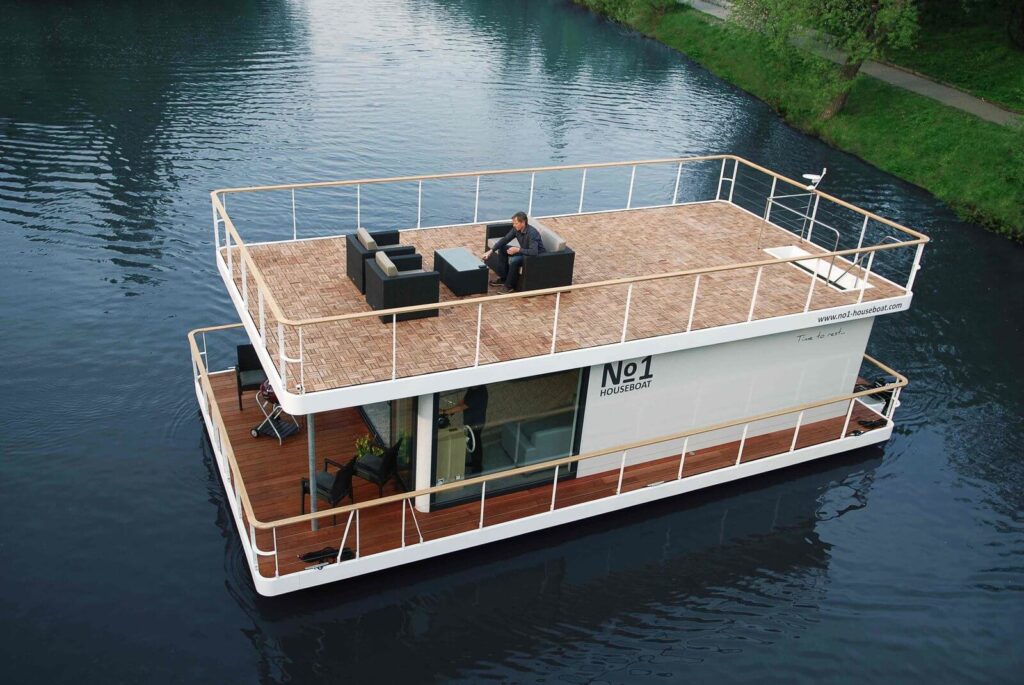
Advantages:
✅ Cost: $50,000–$300,000 (varies by luxury) 9.
✅ Installation: Mobile; avoids land costs.
✅ Comfort: Unique waterfront living.
Disadvantages:
❌ Cost: Mooring fees/maintenance add up.
❌ Installation: Marine regulations complicate permits.
❌ Comfort: Humidity, limited space, and motion sensitivity.
10. Treehouses
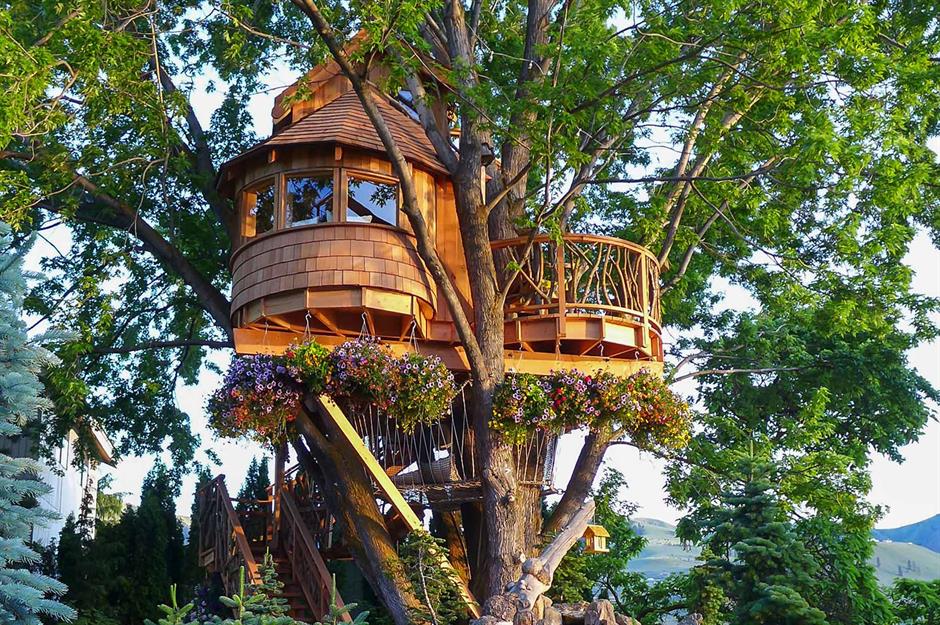
Advantages:
✅ Cost: $10,000–$250,000 (DIY vs. luxury builds).
✅ Installation: Minimal land disruption.
✅ Comfort: Immersive nature experience.
Disadvantages:
❌ Cost: Engineering/access (stairs/elevators) inflate costs.
❌ Installation: Permits tricky for permanent residences.
❌ Comfort: Limited insulation; seasonal usability.