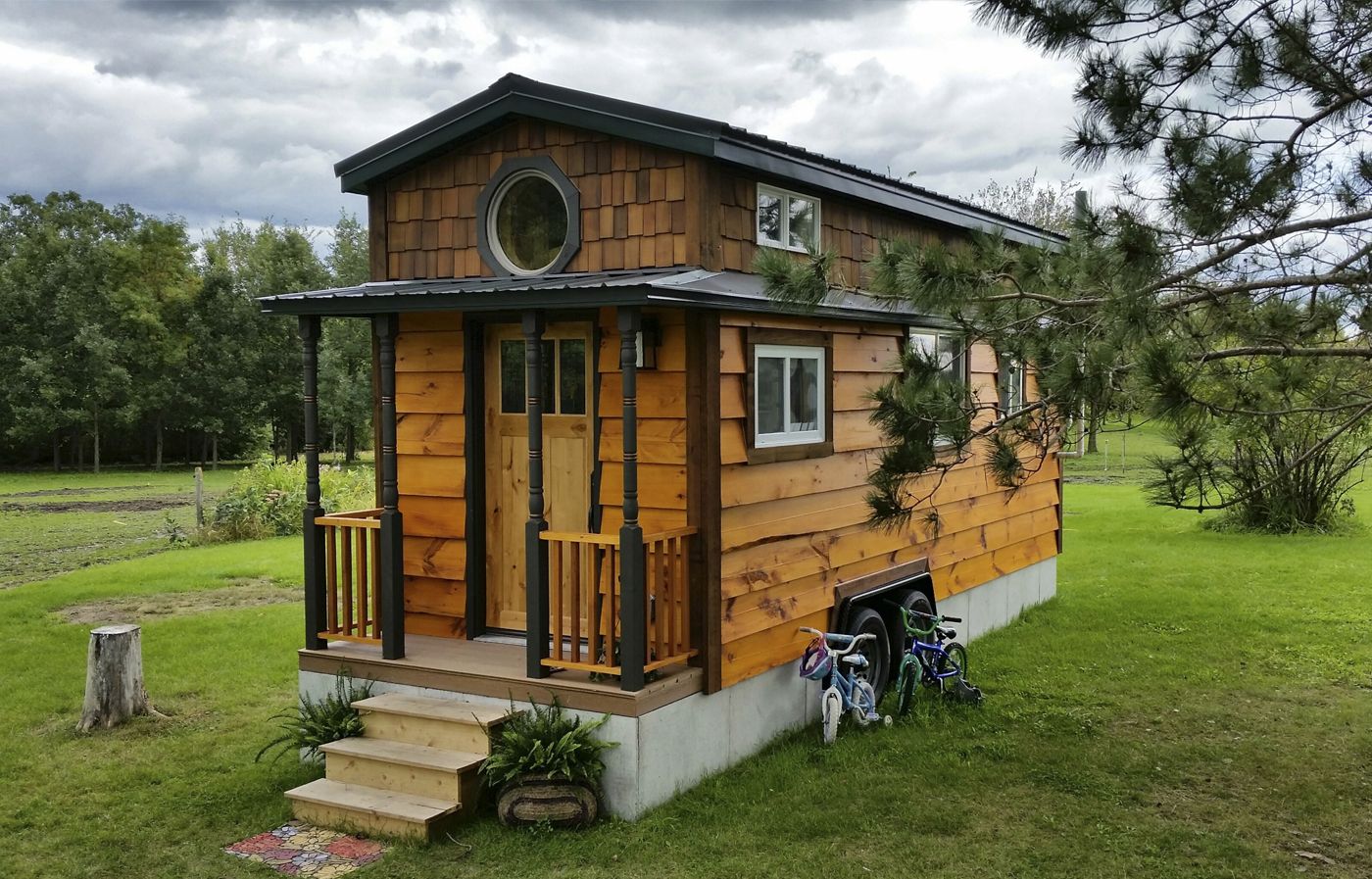
1-The Tiny House
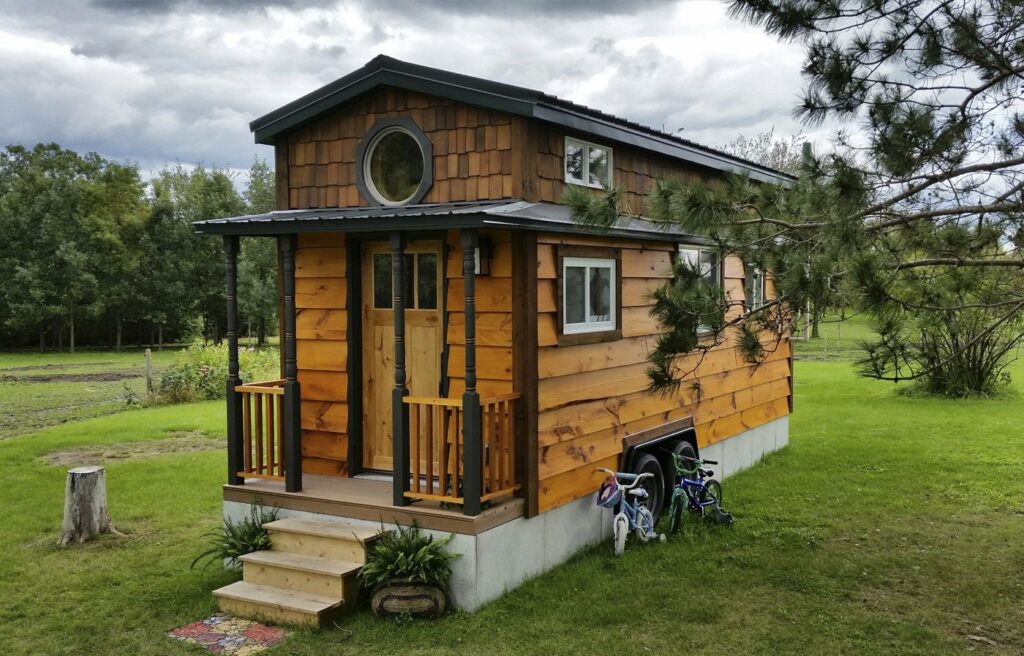
Tiny houses are compact, efficient dwellings typically under 400 square feet, designed to maximize space through smart storage and multi-functional furniture. Often built on trailers for mobility or on foundations for permanent living, they promote a minimalist lifestyle with lower costs, reduced environmental impact, and greater financial freedom. Popular among downsizers, eco-conscious dwellers, and those seeking adventure, tiny homes challenge traditional housing norms by proving that less space can mean more flexibility and sustainability. Whether rustic or modern in design, these small-scale homes offer big possibilities for affordable, debt-free living.
2. Shipping Container Homes
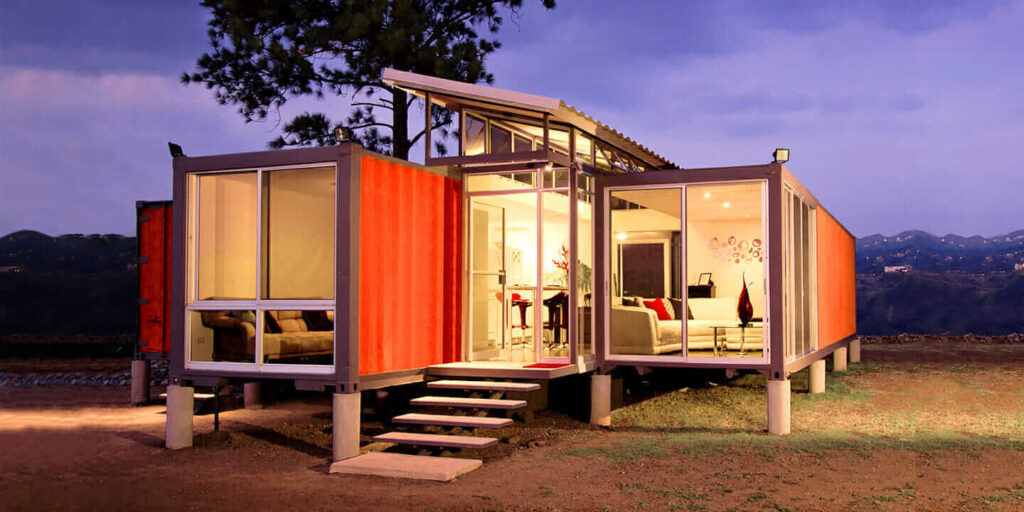
Shipping container homes are innovative, eco-friendly dwellings made from repurposed steel shipping containers. These modular structures are durable, cost-effective, and highly customizable, offering a modern industrial aesthetic. Since they’re prefabricated, construction is faster than traditional homes, with options for single-container tiny homes or multi-container expansions. They’re also portable and resistant to extreme weather. With proper insulation and ventilation, they provide comfortable, sustainable living spaces. Ideal for urban tiny homes, off-grid retreats, or affordable housing projects, container homes reduce construction waste and promote upcycling. Their growing popularity reflects a shift toward minimalist, efficient, and adaptable housing solutions.
3. Earthships
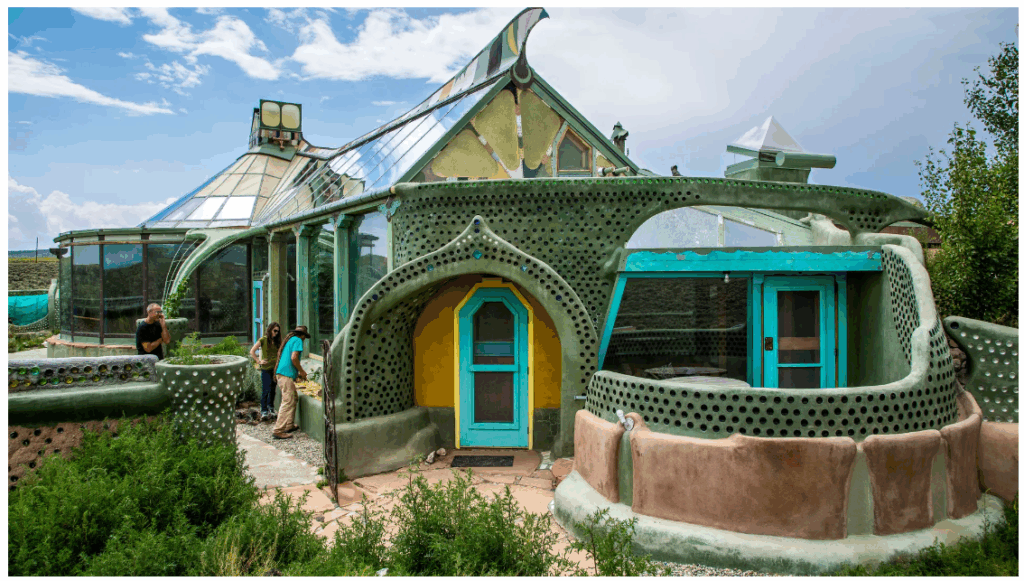
Earthships are revolutionary off-grid homes built from natural and recycled materials like tires, bottles, and cans. Designed for extreme sustainability, they use passive solar heating, rainwater harvesting, and renewable energy to operate independently. Their thick thermal mass walls regulate temperature naturally, while integrated greenhouses support food production. Perfect for eco-conscious living, Earthships minimize utility costs and environmental impact. These self-sufficient homes are ideal for remote locations or anyone seeking a zero-waste, energy-free lifestyle. Pioneered by architect Michael Reynolds, Earthship principles emphasize resilience, affordability, and harmony with nature.
4. Cob Houses
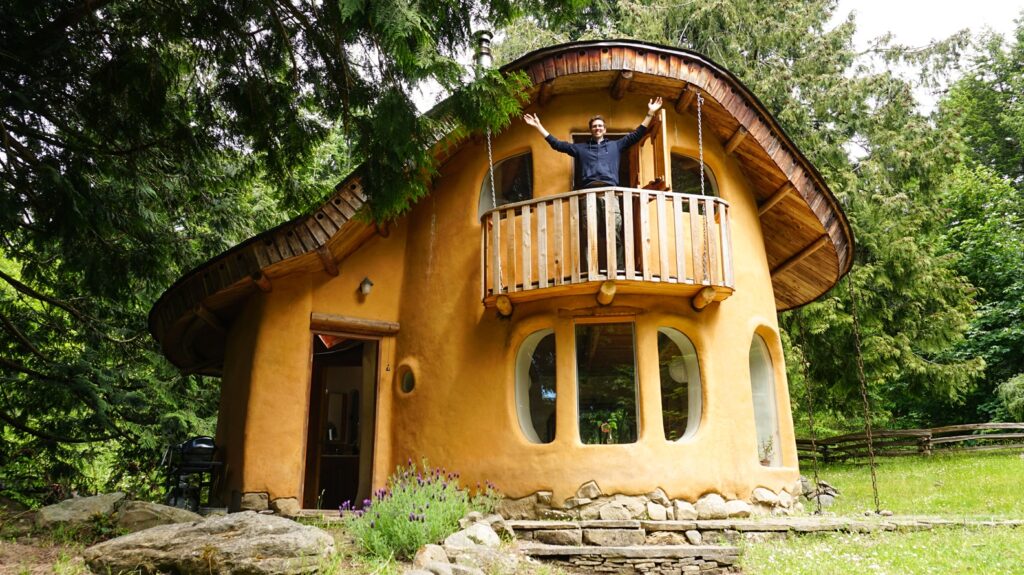
Cob houses are charming, handcrafted homes made from a blend of clay, sand, straw, and water. This ancient building technique creates thick, sculpted walls that provide excellent natural insulation and thermal mass. Cob is fireproof, biodegradable, and resistant to earthquakes when properly built. Since materials are locally sourced, construction is low-cost and eco-friendly. These whimsical, organic structures can be shaped into curved walls, built-in furniture, and artistic designs. Ideal for off-grid living or sustainable communities, cob houses offer a durable, energy-efficient, and creative alternative to conventional housing—with no need for heavy machinery or synthetic materials.
5. Straw Bale Homes
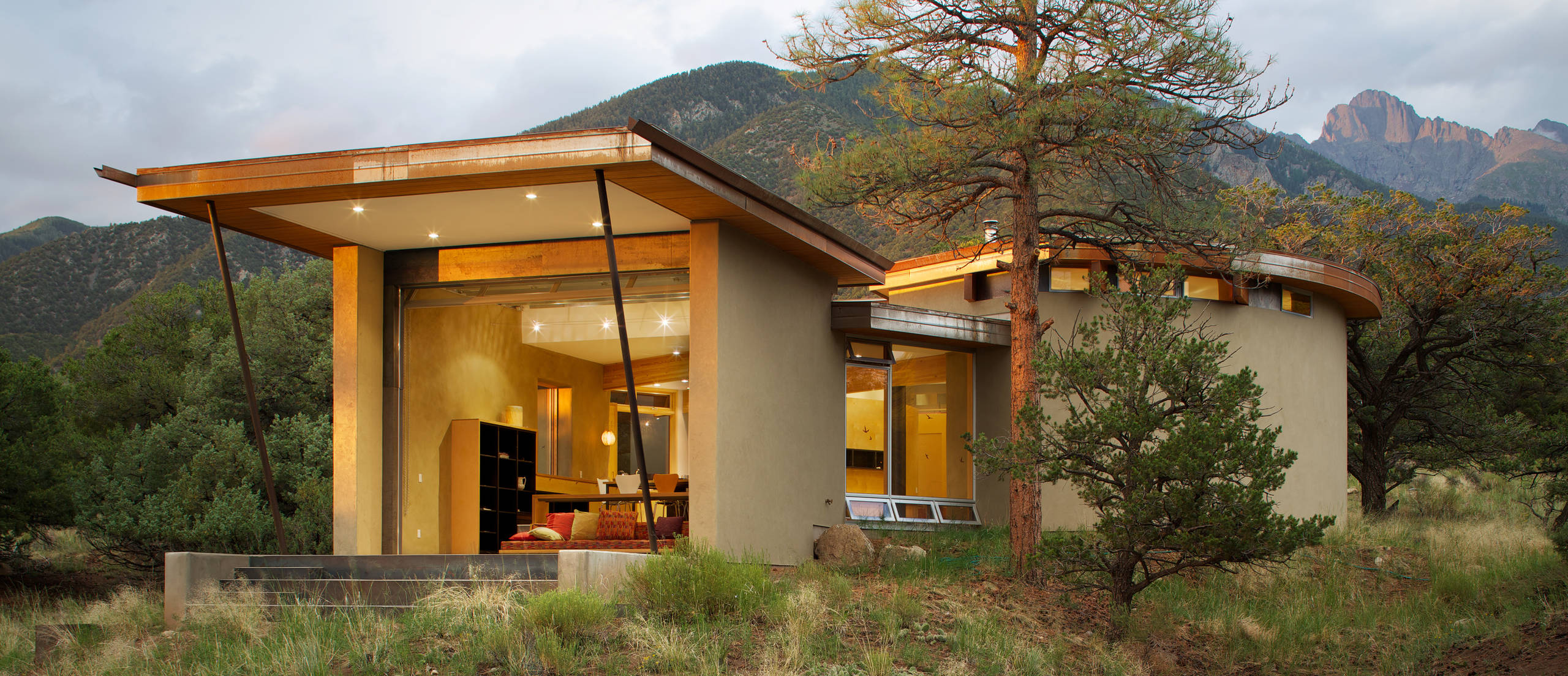
Straw bale homes are eco-friendly structures built using tightly packed straw bales as insulation within a timber frame. These walls provide exceptional thermal efficiency, keeping interiors warm in winter and cool in summer. Straw is a renewable, low-cost material that locks away carbon, making these homes highly sustainable. Finished with natural plasters, they offer a rustic yet modern aesthetic while being fire-resistant and durable. Ideal for passive solar designs, straw bale construction reduces energy bills and environmental impact. From cozy cottages to spacious family homes, this ancient technique meets modern sustainability goals with remarkable efficiency.
6. Prefabricated (Prefab) Homes
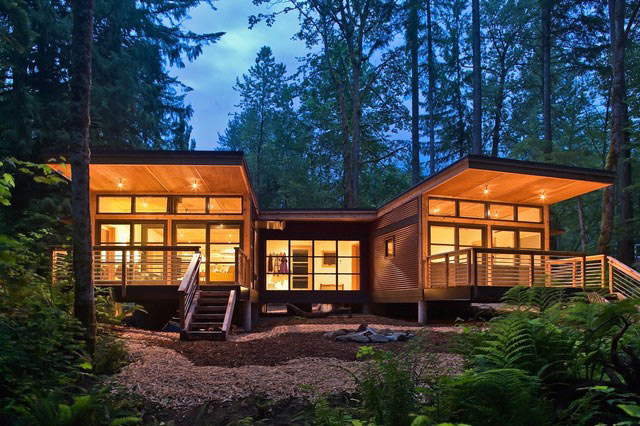
Prefab homes are factory-built houses assembled on-site, offering faster construction and reduced waste compared to traditional builds. These modular designs range from sleek modern cubes to rustic cabins, all customizable for personal needs. With precise engineering and controlled manufacturing, prefab homes ensure high quality while cutting costs and construction time by up to 50%. Many models prioritize energy efficiency with solar-ready roofs and smart insulation. Ideal for urban infills or remote retreats, they combine affordability with cutting-edge design—proving that sustainable living doesn’t require sacrificing style or convenience.
7. Yurts
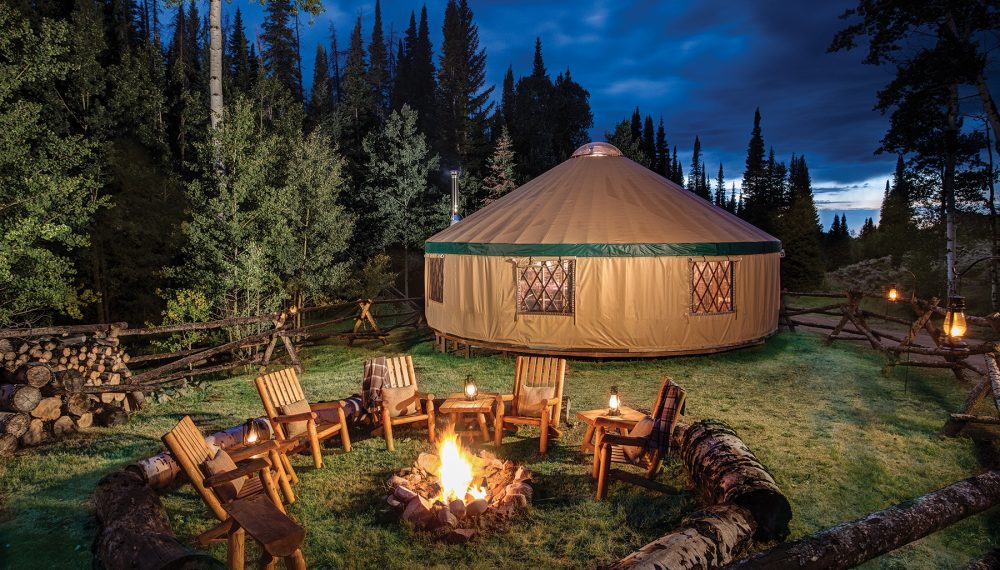
Yurts aren’t just nomadic relics—they’re modern round sanctuaries blending ancient wisdom with eco-living. These circular, portable tents with wooden frames offer surprising spaciousness under their iconic domed roofs, perfect for minimalist dwellers or nature seekers. Modern yurts feature weather-resistant fabrics, insulation upgrades, and even solar hookups for off-grid comfort. From budget-friendly retreats to luxury glamping setups, they deliver a light-on-the-land lifestyle with quick assembly (often just days!). Ideal for mountain getaways, artist studios, or backyard guest pods, yurts prove that temporary shelter can be both adventurous and deeply peaceful—where the sound of rain on the canvas roof becomes your nightly lullaby.
8. Underground & Earth-Sheltered Homes
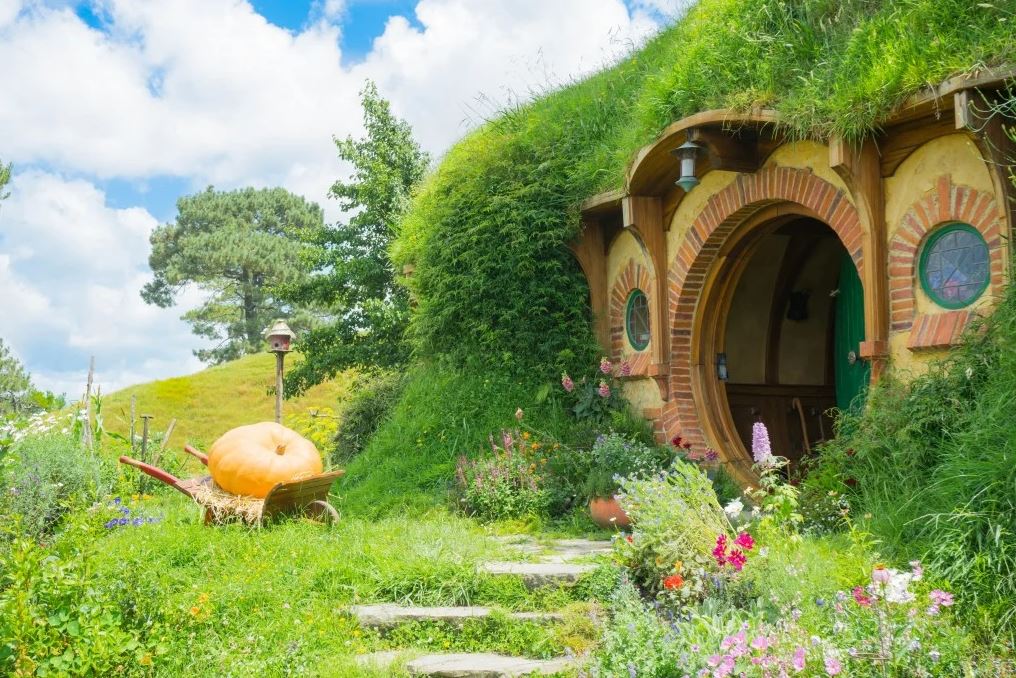
These innovative dwellings are built partially or entirely below ground, using the earth’s natural insulation to maintain stable temperatures year-round. By blending with the landscape, they minimize visual impact while offering exceptional energy efficiency—often requiring 70-90% less heating/cooling than conventional homes. Designs range from modern “bermed” houses with green roofs to rustic hobbit-style caves with ventilation shafts. Ideal for extreme climates, they provide storm resistance, noise reduction, and lower maintenance. Though requiring careful waterproofing and lighting design, these homes turn the ground itself into a protective, sustainable shelter.
9. Houseboats & Floating Homes
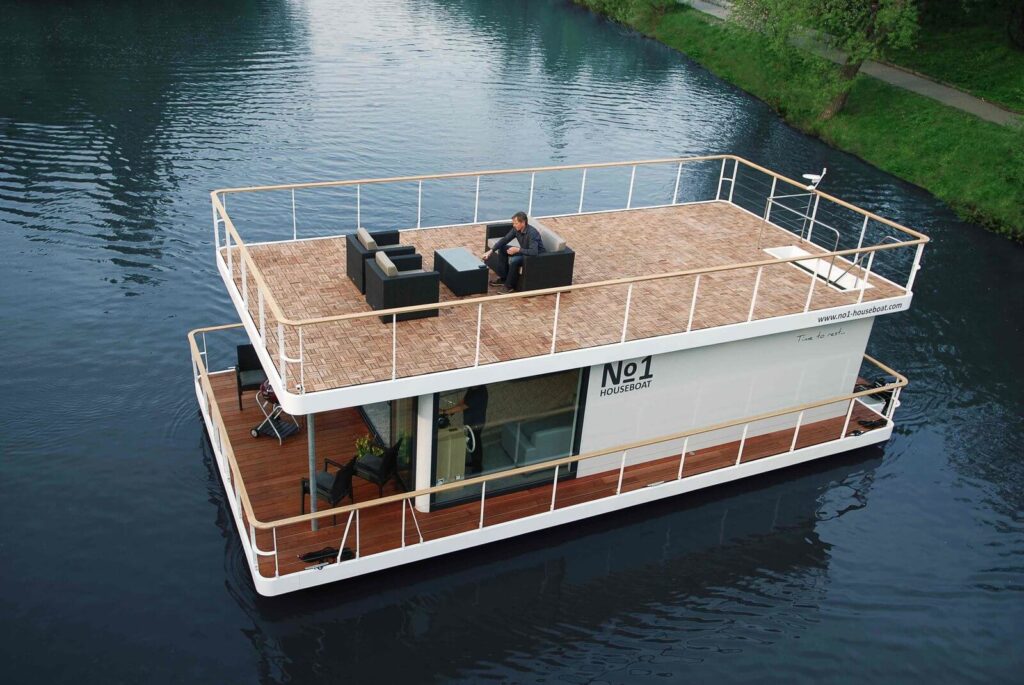
Live on the water with houseboats and floating homes—charming, mobile dwellings that offer freedom and connection to nature. These innovative homes range from compact, boat-style units to luxurious waterfront houses on buoyant platforms. Perfect for coastal cities, lakeside retreats, or eco-communities, they maximize limited space while providing stunning views. Many feature solar power, rainwater systems, and eco-friendly waste solutions for off-grid capability. With rising sea levels and urban waterfront development, floating homes present a sustainable solution for climate-resilient living—where your backyard is the ever-changing water.
10. Treehouses & Elevated Dwellings
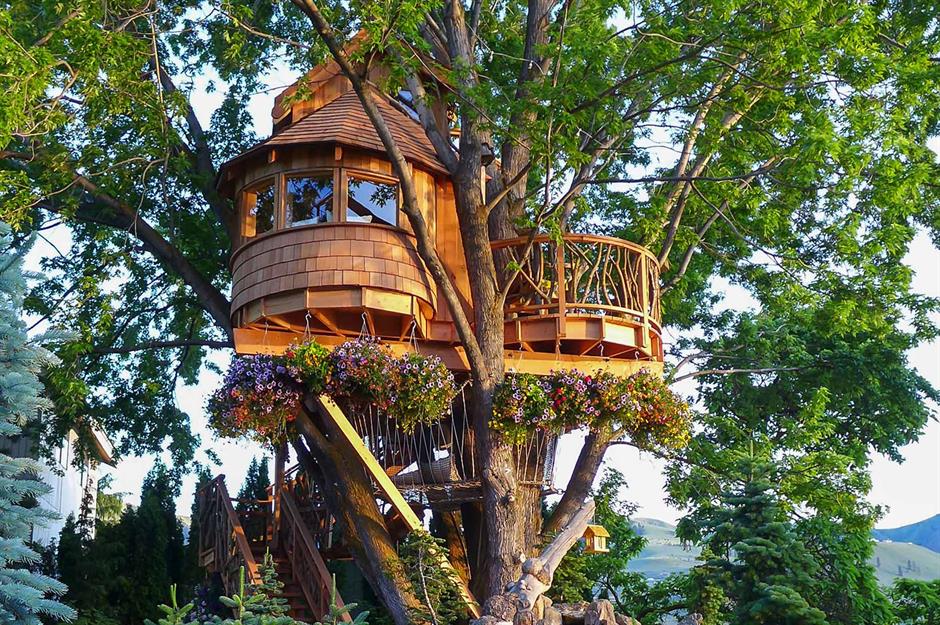
Treehouses aren’t just for kids—modern designs now offer fully functional, adult-sized homes perched among branches or on stilts. These elevated retreats minimize land disruption while blending seamlessly with nature, often featuring solar power, composting toilets, and rainwater systems for off-grid living. From minimalist forest cabins to luxury multi-level structures with panoramic views, they appeal to eco-conscious dwellers and adventure seekers alike. Built with lightweight yet durable materials, treehouses reduce environmental impact while delivering a unique, immersive experience—where waking up among birds and canopy breezes becomes daily magic.